
Web design · Paris
Next-generation custom website
An Art Director & Web Designer since 2010, I personally lead art direction and UX/UI, then carry that creative direction into a design system, a fast frontend and a CMS tailored to your needs. The result is a bespoke, conversion-ready website with no dependency on a theme or third-party plugin.
Request a quoteClient references





Why a custom-built website?
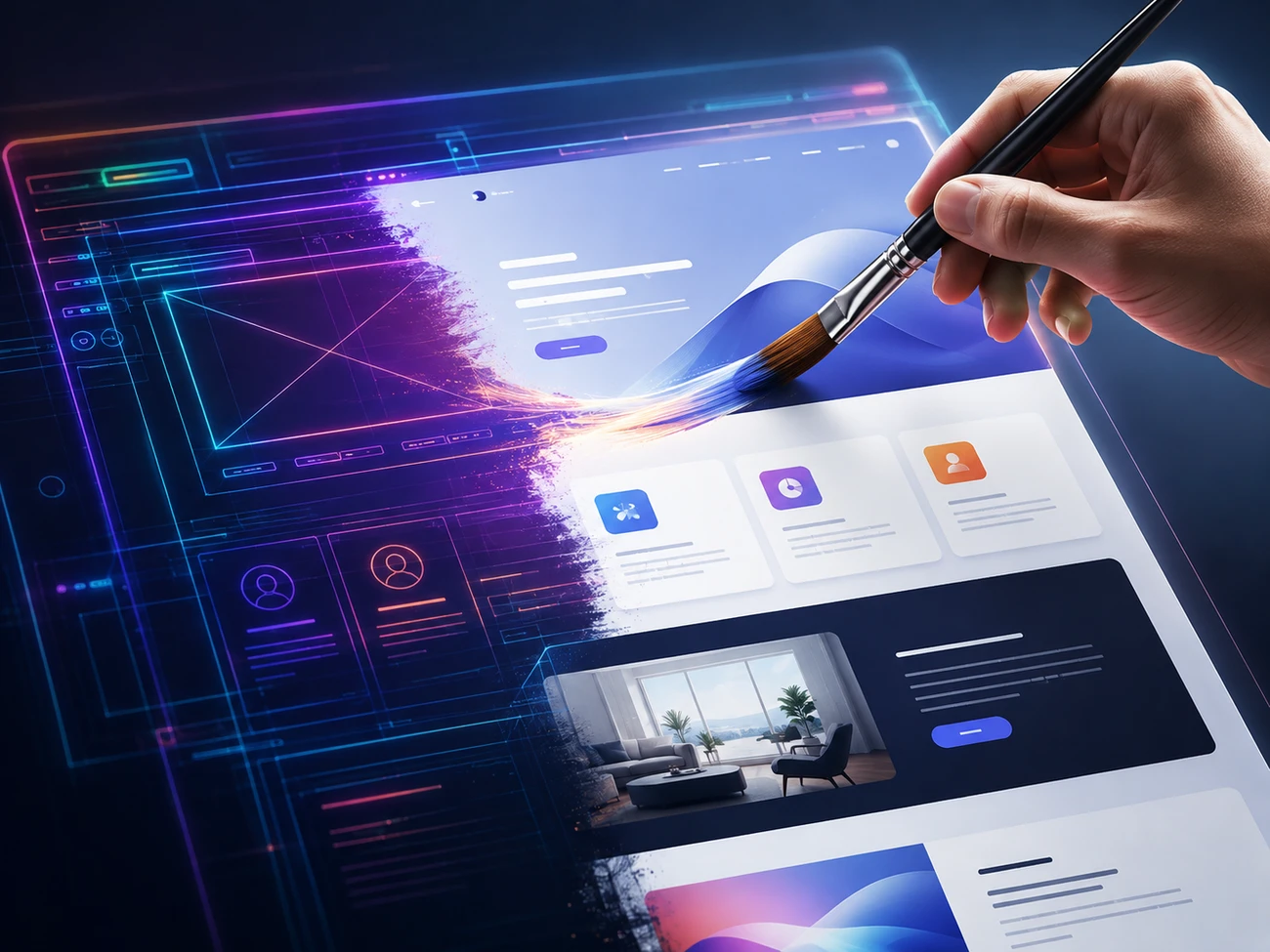
A serious business that wants to project a professional image and properly manage its operations has every reason to have its website built specifically for it, not adapted from an existing template. Three reasons explain why.
Aesthetics
A design built for the brand, not a generic theme adapted after the fact. First impressions reflect the real level of the business.
Technical
An architecture sized for the real site : performance, security and scalability, with no dependency on a theme or third-party plugin.
Marketing
Conversion, SEO and content structure planned from the design stage, not bolted on afterward to fix a site that doesn’t convert.
What you get
A frontend and a CMS, built together
Two distinct layers, designed to work with each other rather than imposed by a theme or a builder.
Fast static site
Pages are generated in advance, not computed on every visit : near-instant loading, on mobile and desktop alike, with no cache plugin to configure.
Animations & interactivity
Transitions, scroll reveals and micro-interactions give the site the feel of a finished product, not a generic showcase site.
Custom art direction
No theme or template constraints : every screen is designed for your brand, not adapted from an existing model.
Conversion paths
Forms, calls to action and contact flows built in from the design stage, not added afterward.
Interface built for your content
A backoffice built for your real content, not a generic CMS to work around or simplify.
Easy content management
Publishing, editing and organizing content requires no technical skill or lengthy training.
Stats & conversions
Traffic, page views and contact requests tracked in one place, usable directly for your marketing decisions.
AI-ready
Content structured to stay usable by today’s and tomorrow’s AI tools and workflows.
Architecture
What’s behind the site
Three distinct layers, each built for that exact role, not a stack of generic plugins.
Comparison
Custom-built, versus WordPress and Webflow
Work
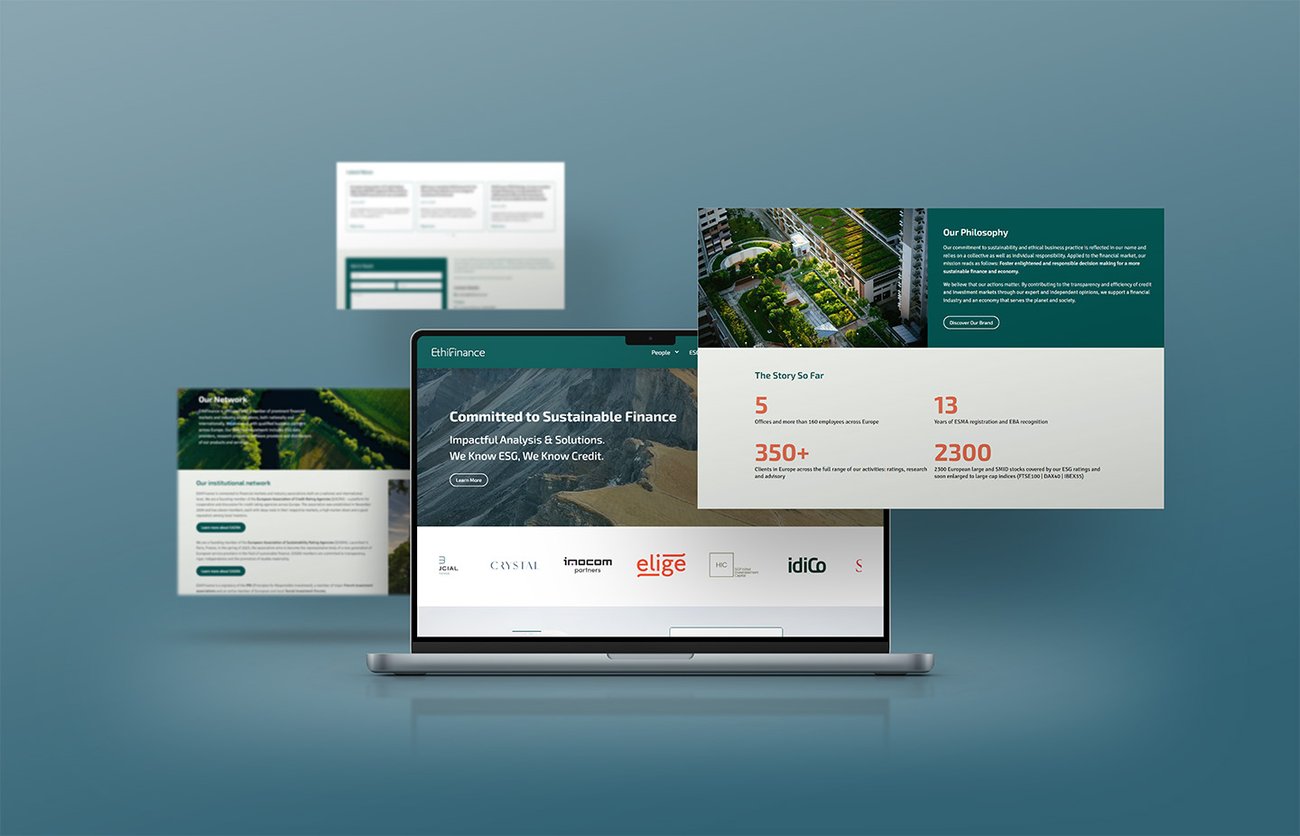
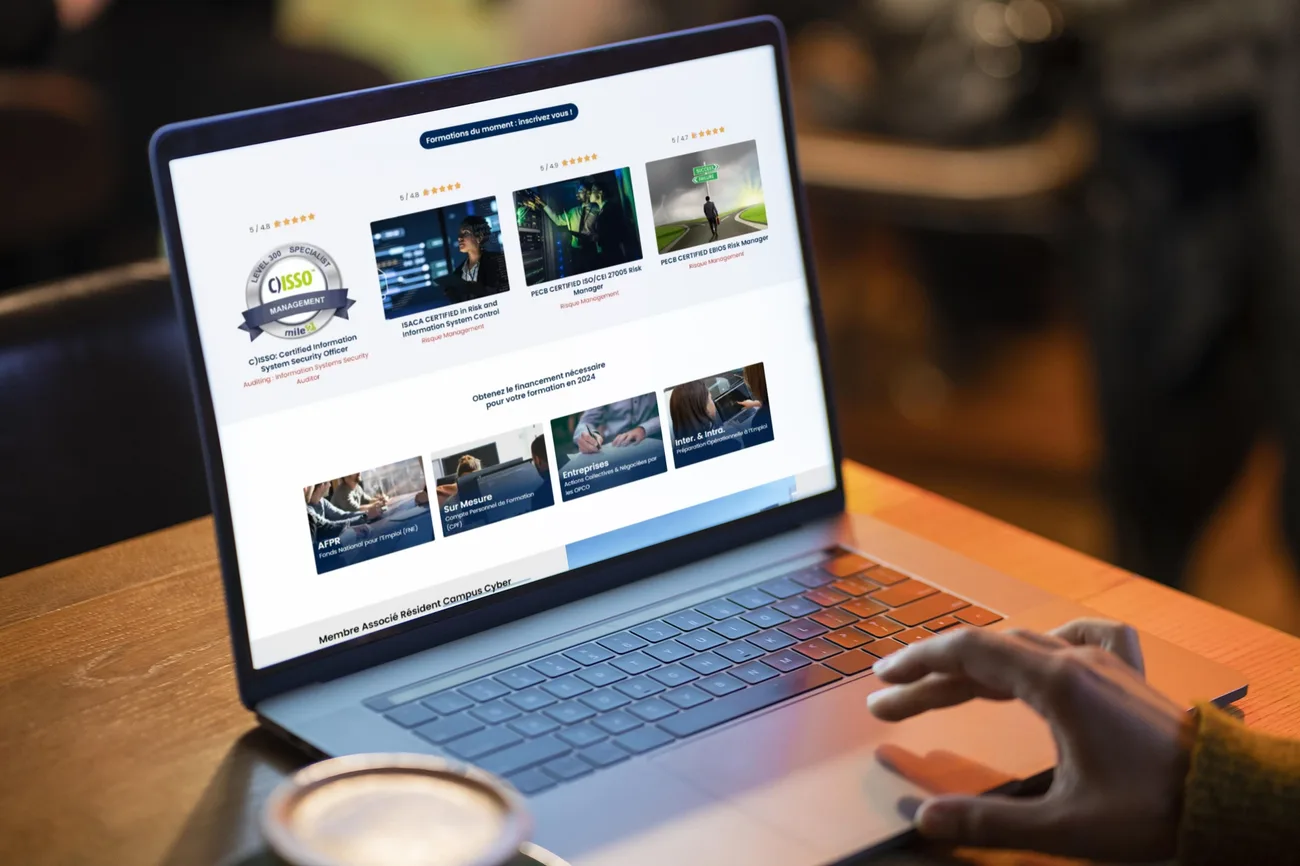
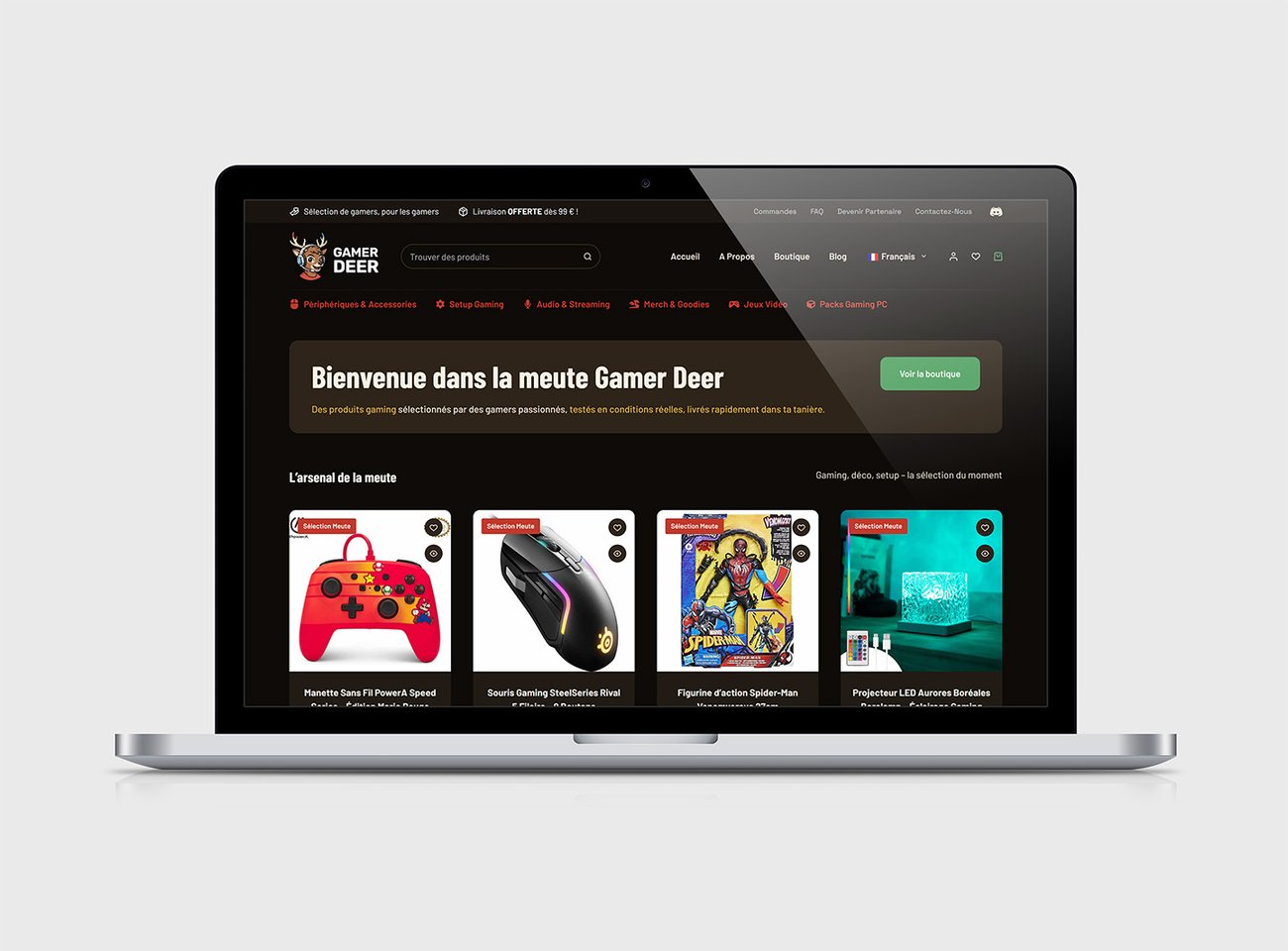
Custom web design projects, delivered
Process
From strategy to launch
Diagnostic
Does a custom-built site apply to you?
Six questions to gauge your real need.
Frequently asked questions
What I get asked most
Both remain good options for a simple need. Custom-built becomes relevant when performance, customization or technical independence matter more than a quick launch.
The timeline depends on the real scope (number of pages, languages, features). It’s estimated precisely after scoping, not before.
Yes. The CMS is built for your real content : publishing, editing and organizing require no technical skill.
Content is structured from the design stage to stay readable by AI engines, on top of classic Google SEO.
Yes : a new page, a new language or a new feature is added to the existing CMS, without rebuilding the site.
The initial investment is generally higher. The long-term cost of ownership is often lower : no subscription or recurring premium plugins.
Custom-built site · Quote within 24h
Request a quoteLet's talk about your project
Launching something new, refreshing your brand or evolving your website?
Tell me about your context, goals and constraints. I'll get back to you personally.
15+
years of experience
500+
projects completed
100+
clients served